If you have been watching Tiffin, you have probably noticed that growth here is not just a headline. It is showing up in new neighborhoods, active listings, road projects, and city planning decisions that can shape where and how you buy. If you are thinking about purchasing a home in Tiffin, understanding the city’s growth corridor can help you spot opportunity, plan your timing, and choose a property that fits your goals. Let’s dive in.
Why Tiffin’s growth corridor matters
Tiffin’s comprehensive plan describes the city’s expansion in phases, with a Phase One primary growth area and a Phase Two long-term growth corridor. That matters because growth is not happening randomly. It is being guided by a framework for future annexation, housing, utilities, and commercial development.
For homebuyers, that kind of planning can be useful. It gives you a clearer picture of where future neighborhoods may take shape and where infrastructure investment is likely to follow. In a fast-growing market, that context can make it easier to compare today’s options with tomorrow’s changes.
Growth is already visible
Tiffin’s 2025 special census count reached 7,577, up from 4,512 in the 2020 census. That is about a 68% increase in a short period of time. For buyers, the big takeaway is not just population growth. It is that housing demand, road capacity, and city services have all had to keep pace.
You can also see that momentum in the local housing market. In May 2026, Realtor.com reported 168 active listings, a median listing price of $392,000, and a median days on market figure of 39 days. Its year-over-year snapshot showed active listings down 22% and median listing price up 11.21%.
Closed-sale data tells a similar story with a slightly different lens. Redfin reported a median sale price of $346,792 for the three months ending May 2026, with 71 homes sold, 96 median days on market, and a 99.7% sale-to-list ratio. Zillow also placed Tiffin’s average home value at $345,122, up 2.3% year over year.
These sources measure different parts of the market, so the numbers do not match exactly. Still, they point in the same direction. Tiffin has active demand, modest price growth, and inventory that is available but not abundant.
What this means for buyers
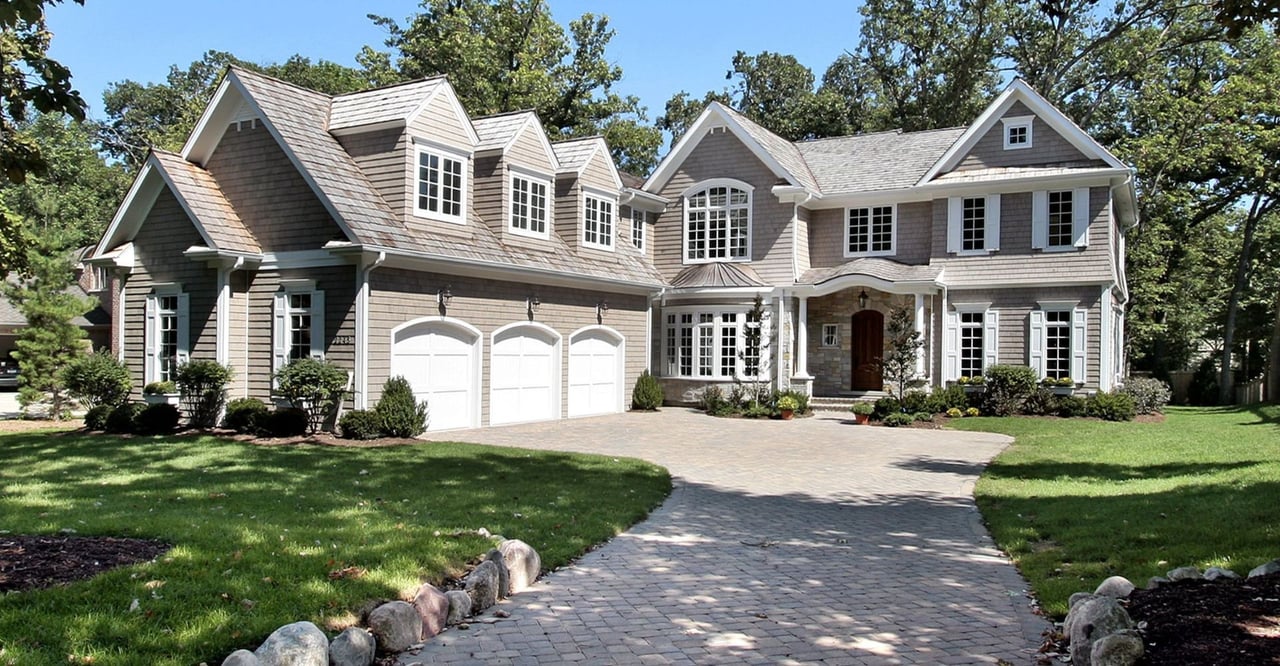
A growth corridor usually creates more than one type of buying opportunity. In Tiffin, that can mean choosing between an existing home in an established area, a spec home in a newer subdivision, or a lot or build path tied to future development. Your best fit depends on your timeline, budget, and how much change you want around you in the next few years.
If you want a move-in-ready home with fewer unknowns, an existing home may offer more immediate clarity on the surrounding streets, utilities, and daily traffic patterns. If you want newer finishes, updated layouts, or the chance to personalize some features, new construction may open more doors. In a market like Tiffin, both paths can make sense.
New construction is a major part of the story
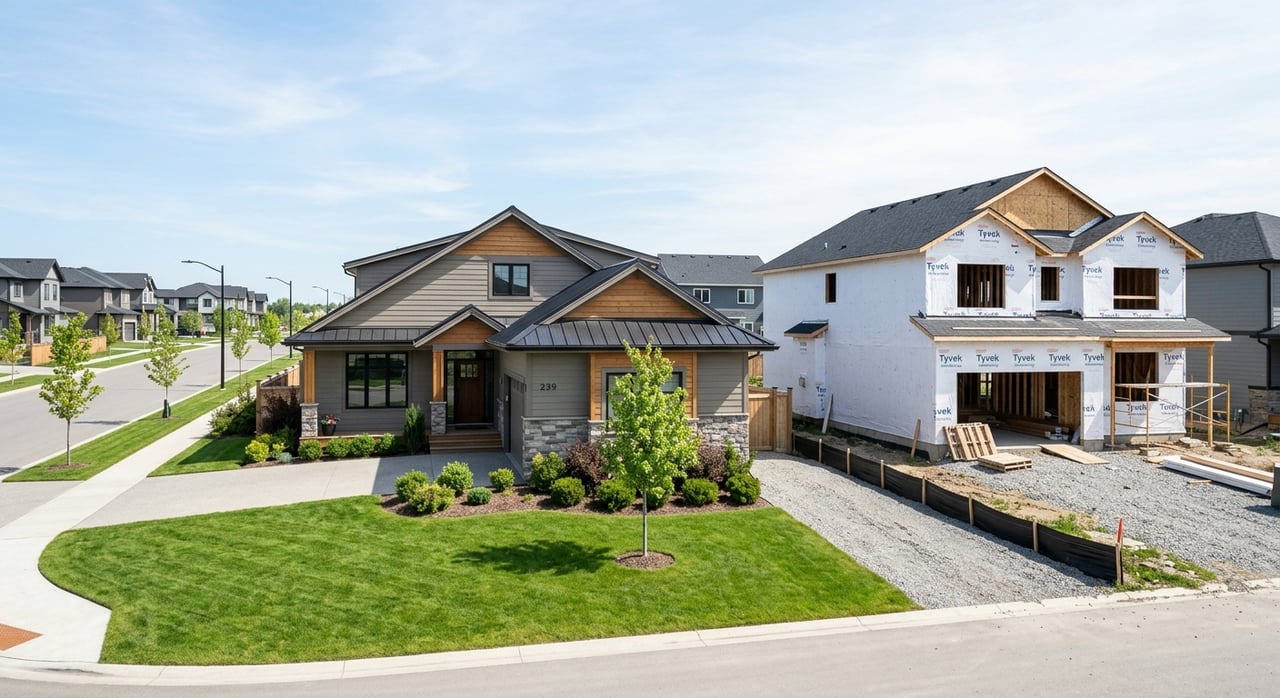
One of the strongest signs of Tiffin’s growth corridor is the amount of new-construction activity. Zillow’s July 2026 new-construction page showed 51 results in Tiffin, including twinhomes, single-family homes, and custom or higher-end builds. Examples included Prairie Village Twinhomes, Prairie Village Single Family, and Andersen Addition I & II.
That range matters because it suggests buyers are not limited to one product type. You may be able to compare lower-maintenance options, traditional single-family homes, and more customized builds within the same broader market. For buyers who want flexibility, that is a meaningful advantage.
Tiffin’s comprehensive plan also states that single-family residential development should remain the primary residential type in appropriate locations and that the city should ensure enough land is available for projected growth. In practical terms, that supports the idea that housing supply will continue to be part of the city’s long-term strategy.
Roads and utilities can affect your decision
In Tiffin, the growth corridor is not just about rooftops. It is also about roads, intersections, water, and sewer capacity. The city’s comprehensive plan specifically identifies limited cross-transportation routes and gaps in water and sewer infrastructure as challenges.
That does not mean buyers should be worried. It means you should pay attention to infrastructure as part of your search. A home in an active growth area may offer strong long-term appeal, but your day-to-day experience can also depend on road access, construction timing, and utility phasing.
Key infrastructure projects to watch
City updates from July 2024 said North Park Road was being planned for widening from Aster Drive to Highway 6. The same update referenced a roundabout and pedestrian tunnel in front of the schools, along with work with the Iowa DOT on permanent signals at Deerview and Highway 6 and Highway 6 widening with a center turn lane from roughly Main Street to the roundabout.
Earlier city updates in 2023 also referenced a new water well, a sanitary sewer interceptor project, and work on the city’s water treatment plant. For buyers, those projects can influence convenience, service capacity, and the pace of nearby development. They may not be as eye-catching as finishes or floor plans, but they often shape your ownership experience in a real way.
Commercial and employment growth also matter
Tiffin’s plan identifies Greencastle Avenue as a commercial corridor inside the long-term growth area. It also says industrial development should remain within the primary growth area and take advantage of the interstate system and the proposed intersection off Forevergreen Road.
For homebuyers, that can matter in several ways. Commercial growth may add convenience over time, while employment-related development can support broader housing demand. It also means that some parts of Tiffin may continue evolving as roads, services, and land use patterns fill in.
How to evaluate homes in the corridor
If you are shopping in Tiffin, it helps to look beyond the house itself. A growth corridor can create upside, but it can also affect timing, traffic flow, and the pace of nearby construction. Asking the right questions early can help you make a more confident choice.
Here are a few smart things to compare as you search:
- Whether the home is in an established area or a newer phase of development
- Nearby road projects that may affect access or commute patterns
- The type of housing around the property, such as existing homes, twinhomes, or future single-family phases
- How much nearby land is already platted or planned for future development
- Whether you prefer move-in-ready convenience or the customization potential of new construction
Existing homes vs. new builds in Tiffin
Both options can work well, but they solve different problems. Existing homes can offer a better sense of the immediate neighborhood pattern and what daily life looks like today. Newer homes may offer updated layouts, energy-efficient features, and less near-term maintenance, depending on the property.
Here is a simple comparison:
| Option | Potential Benefits | Things to Consider |
|---|---|---|
| Existing home | More established surroundings, quicker move timeline, clearer current traffic patterns | Fewer customization options, condition varies by property |
| New construction | Modern finishes, newer systems, possible personalization, access to growing areas | Construction timing, nearby ongoing development, utility and road phasing |
Why local guidance matters in a changing market
In a market like Tiffin, the best opportunity is not always the most obvious listing. Sometimes it is knowing which area is gaining momentum, which new-construction option fits your goals, or how road and utility projects could affect your timing. That is especially true if you are deciding between resale, a new build, or a lot with future potential.
The Tyler Riddle Team brings local Iowa City metro knowledge together with real experience in residential brokerage, new construction, lot and land sales, and development-related strategy. If you want help sorting through Tiffin’s growth corridor and finding the right fit for your next move, connect with Tyler Riddle.
FAQs
What is Tiffin’s growth corridor for homebuyers?
- Tiffin’s growth corridor refers to the city’s planned long-term expansion areas, including where future annexation, housing, commercial growth, roads, and utilities are expected to develop over time.
Is Tiffin, Iowa a good place to consider new construction?
- Tiffin has an active new-construction pipeline, with 51 new-construction results shown in July 2026 across twinhomes, single-family homes, and custom-style options, giving buyers a range of choices.
How competitive is the Tiffin housing market right now?
- Current market data suggests Tiffin is active but not extreme, with modest appreciation, limited inventory, and sale-to-list ratios near 100%, while major platforms describe it as balanced or not very competitive.
What infrastructure projects should Tiffin buyers pay attention to?
- Buyers should watch projects such as North Park Road widening, planned signal improvements near Highway 6, Highway 6 widening, and water and sewer upgrades because they can affect commute convenience and future development patterns.
Should I buy an existing home or a new build in Tiffin?
- That depends on your priorities. Existing homes may offer more immediate neighborhood clarity, while new builds may offer modern layouts, newer systems, and access to areas tied to Tiffin’s long-term growth plans.