Thinking about buying a duplex, triplex, or fourplex in Cedar Rapids? You want clear numbers, local rules, and a simple plan so you can invest with confidence. In this guide, you’ll learn what typical rents look like, how to think about vacancy and new supply, what the city requires from landlords, and the due diligence steps that protect your return. Let’s dive in.
What small multifamily looks like
Where 2–4 units tend to be
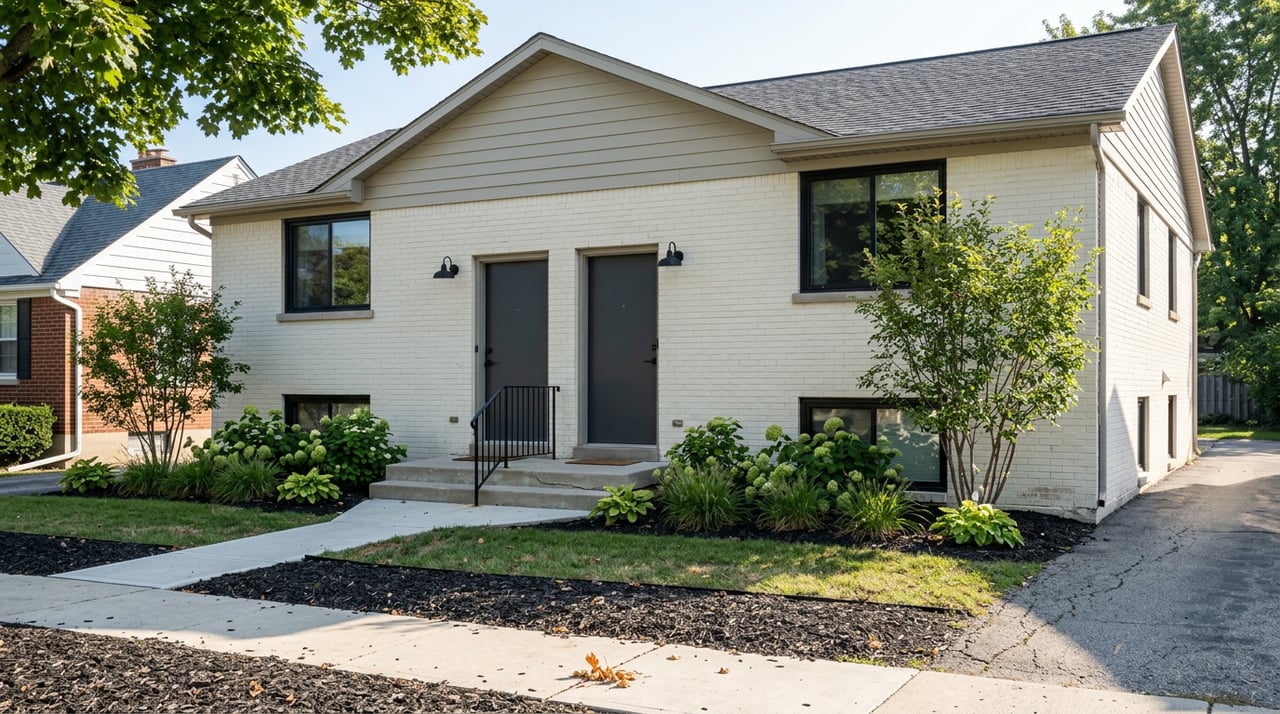
Small multifamily in Cedar Rapids is common in established, walkable areas and near major employment and activity nodes. Local market commentary also points to steady development of newer apartments across multiple submarkets, which can affect leasing speed and pricing for older buildings nearby. You will want to track what is opening around you and when. For a pulse on growth, review local development updates in market reports like the ones from Skogman Commercial.
Age and common building issues
A large share of the affordable rental stock is older, with many buildings built before 1980. That often means higher odds of deferred items like roofs, HVAC, electrical service upgrades, plumbing stacks, windows, and kitchen or bath updates. For any home built before 1978, federal lead-based paint disclosure rules apply, and renovation work may require lead-safe practices under EPA RRP. You can review federal guidance on lead-safe work and disclosure from HUD/EPA resources.
Flood history and risk
Flood history matters in Cedar Rapids. The 2008 Cedar River flood led to significant buyouts and long-term mitigation, and any property near the river or its tributaries deserves extra diligence. Check parcel-level flood maps and modeled inundation scenarios through the Iowa Flood Center and factor potential flood insurance, drainage improvements, and mold remediation into your underwriting.
Rents, vacancy, and lease-up
Rent benchmarks to set expectations
Use a range, not a single guess. The FY2025 HUD Fair Market Rent for a 2-bedroom in the Cedar Rapids area is $993 per month, which is a conservative 40th-percentile anchor. Private-market aggregators show varied averages depending on data source and timing, with recent summaries spanning roughly the high $800s to around $1,100. In practice, many market-rate 2-bedroom units list near the HUD anchor up to about $1,100 depending on condition and location. Always pair a conservative baseline with current comp checks.
Vacancy assumptions that hold up
County-level underwriting commentary from regional lenders has used about 6% to 8% vacancy for Linn County in recent years, which is a reasonable pro forma input you can stress test. You may see higher figures in some micro-areas where point-in-time vacancy can spike into the high single digits or low teens. For context, review lender commentary and local reporting, such as bank filings noted on Fintel and ZIP-level snapshots from Affordable Housing Online.
Watch the new supply pipeline
New construction has been active, and deliveries can add short-term pressure to older, small buildings nearby. The effect shows up in longer lease-up times, increased concessions, or flatter rent growth if you are competing with new inventory. Monitor timing and locations of new projects using broker market updates like Skogman Commercial’s growth overview.
The rules you must follow
City registration and inspections
Cedar Rapids runs a Rental Housing Registration and Inspection program. Owners must hold a Landlord Business Permit and register units. The city assesses annual fees and inspects on a cycle. Example fees include: Single-family $50, Duplex $60, Multi-family base fee $42 plus $13 per dwelling unit, and a one-time $50 Landlord Business Permit. Before you close, verify the property is registered and compliant, and pull its inspection history to avoid delays, re-inspection fees, or occupancy issues. You can find forms, fee schedules, and the checklist on the city’s Rental Housing page.
Iowa landlord-tenant basics
Iowa’s Uniform Residential Landlord and Tenant Law (Iowa Code chapter 562A) governs obligations, notices, and remedies, including nonpayment and lease violations. The process generally involves proper notice, then a court action if needed. Timelines can vary by case and court calendars, so confirm current practices with local counsel or a property manager before you assume a rapid turnaround. You can review statutory language, including remedies, through Iowa Code references.
Running the numbers
Pricing and comps
Small 2–4 unit properties in Cedar Rapids trade across a wide band that depends on location, condition, and unit mix. Use active listings and recent local closed sales to set a realistic price-per-unit and cap rate. For a quick look at active offerings, browse Crexi’s Cedar Rapids multifamily listings, then backfill with MLS comps and broker data.
Cap rate expectations
Public, city-level cap rate tables for small 2–4 unit buildings are not centralized. Returns for small properties typically need to be higher than large institutional assets due to hands-on management and turnover risk. Your best data will come from recent local closed sales and broker opinion, so request cap rate and NOI context during your comp pull.
Financing 1–4 units
You have options. Owner-occupants can often use FHA, VA, or conventional financing for 2–4 units if you live in one unit, which can mean lower down payments and favorable terms. Pure investors typically work with portfolio or commercial loans from community banks, with higher down payments and debt-service coverage requirements. Contact lenders early, confirm conforming and FHA limits for Linn County, and ask about any overlays.
Taxes and insurance to model
Pull the parcel record, assessed value, and tax history from the Linn County site. If a property sits in or near a mapped flood area, include flood insurance in your expense line and verify with your carrier before you finalize terms. The Iowa Flood Center is a reliable starting point for mapping.
Renovations that move the needle
Focus on systems first. Roofs, HVAC, electrical panels and service, plumbing stacks, and hot water equipment are the biggest budget surprises in older small multifamily. Once systems are secure, interior updates that residents value most are kitchens, baths, flooring, windows, and, where feasible, in-unit laundry. For pre-1978 properties, plan on lead-safe practices and disclosures; review federal guidance from HUD/EPA. If the property has prior flood history, budget for mold remediation, subfloor or insulation replacement, and drainage or elevation work as needed. The city’s inspection materials can help you scope life-safety priorities and common corrective items; see the Rental Housing page for checklists.
Due diligence checklist
- Confirm city rental registration, certificate of compliance, fee status, and inspectable items using the Cedar Rapids Rental Housing portal.
- Pull parcel data, legal description, and tax history from Linn County; check zoning and any historic-district notes.
- Map parcel flood risk and modeled scenarios at the Iowa Flood Center. Ask your insurer for a quote that reflects the building’s elevation and loss history.
- Order a full property inspection, including roof, structure, HVAC, electrical, plumbing, pest, and a lead-based paint prescreen for pre-1978 structures. Align with the city’s inspection checklist.
- Verify leases, security deposits, and payment histories. Review Iowa Code 562A for notice and remedy basics and align assumptions with local counsel.
- Build a rent comp set anchored by HUD FMRs and current listings. Start with conservative assumptions and stress test vacancy, concessions, and lease-up time.
Where to start today
- Pull parcel and tax data from Linn County.
- Check rental registration status and inspection history on the city’s Rental Housing page.
- Set your rent baseline using the FY2025 HUD FMRs for Cedar Rapids on RentData, then layer in current listing comps.
- Scan active small-multifamily inventory on Crexi and request recent closed-sale comps from a local broker.
- Verify flood risk at the Iowa Flood Center and ask your insurer for firm premium quotes before you finalize underwriting.
Ready to evaluate a Cedar Rapids duplex, triplex, or fourplex with a local, investor-minded team? We can help you source deals, analyze returns, and navigate city compliance to close with confidence. Connect with Tyler Riddle to get started.
FAQs
What are typical 2-bedroom rents in Cedar Rapids small multifamily?
- A practical range is often near the HUD FMR of $993 up to about $1,100 for market units, depending on condition, amenities, and location. Use a conservative anchor and verify with current comps.
What vacancy rate should I use when underwriting a Cedar Rapids duplex or fourplex?
- Many investors model 6% to 8% at the county level, then stress test for higher vacancy in specific submarkets or during peak new-supply deliveries.
How do Cedar Rapids rental inspections work for 2–4 unit buildings?
- You must hold a Landlord Business Permit, register the units, pay annual fees, and pass periodic city inspections. Verify the property’s compliance and fee status before closing to avoid delays.
Do I need flood insurance for a Cedar Rapids rental near the river?
- If the parcel lies in a mapped flood zone or near tributaries, you should price flood insurance and factor it into underwriting. Check mapping first, then get a quote from your insurer.
Can I use FHA to buy a duplex in Cedar Rapids if I live in one unit?
- Often yes. Owner-occupant programs like FHA, VA, and some conventional products may allow 2–4 units with you living in one unit. Confirm down payment, limits, and occupancy rules with your lender.