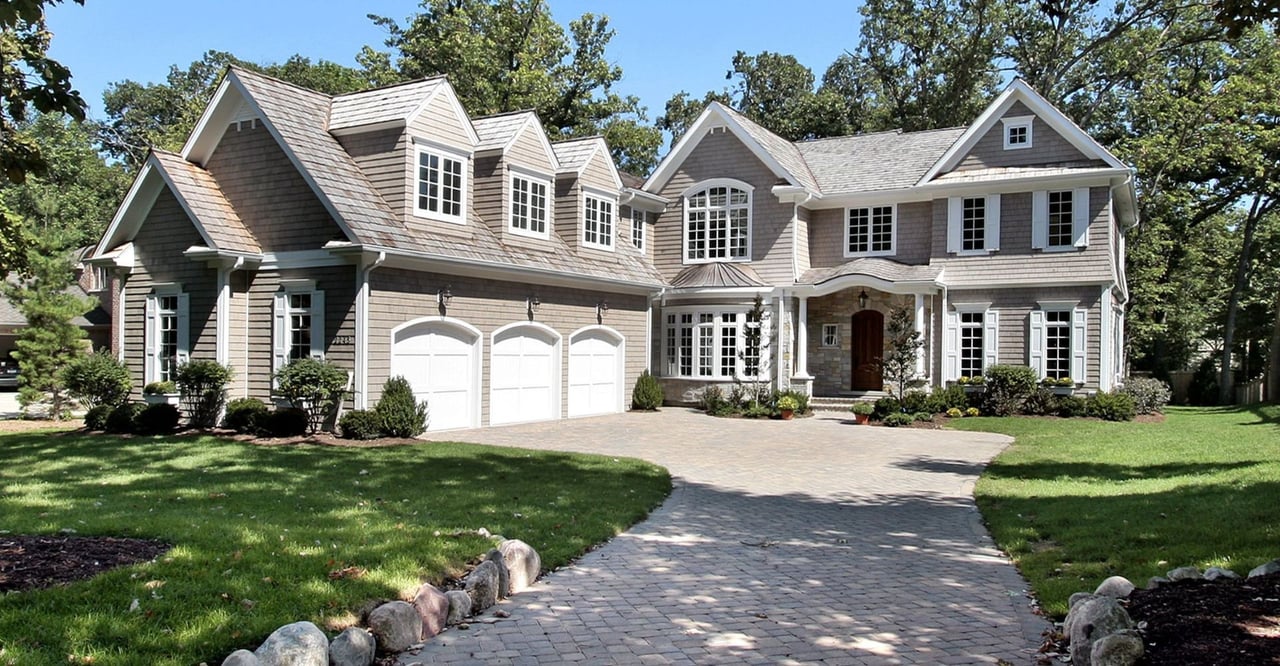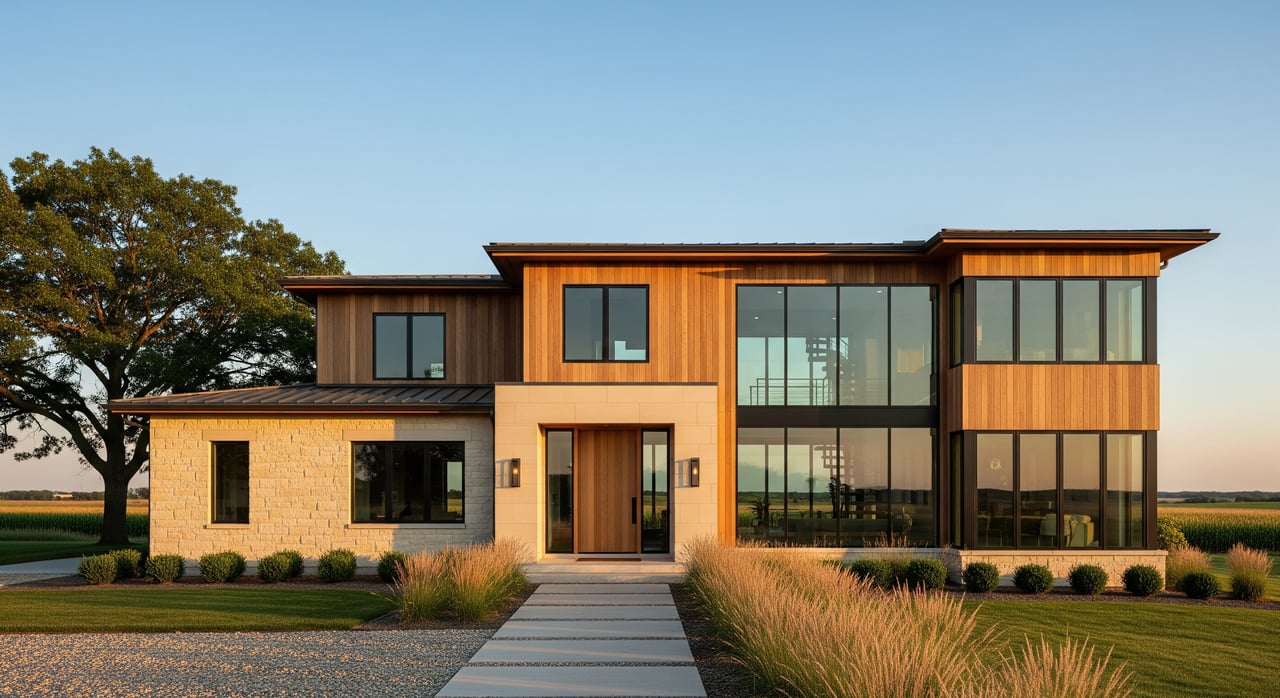
Curious why so many new homes are popping up around Tiffin and how to shop them smartly? You are not alone. Whether you want a move-in ready spec home or a semi-custom build, it helps to know the floor plans, lot sizes, energy features, and timelines shaping today’s market. This guide breaks down what is trending near Tiffin, how supply pipelines affect price and move-in dates, and what to expect if you are comparing new construction to resale. Let’s dive in.
Why Tiffin new construction is growing
Tiffin sits in the Iowa City and Coralville trade area, close to the University of Iowa, major healthcare employers, and commuter routes to Cedar Rapids. That proximity keeps demand strong for both owner-occupied homes and single-family rentals. Buyers who want modern layouts and energy efficiency often start their search here and in nearby communities like North Liberty and eastern Iowa City.
Builders set pricing with local factors in mind. Lot availability, commute times to employment centers, and which school district serves a neighborhood can all shape both price and timeline. If you want a quick snapshot of activity, the City of Tiffin planning office and the county-level U.S. Census Building Permits Survey are helpful places to check for trends.
Supply constraints also play a role. Across the country, builders report that lot entitlements, labor, and material lead times influence both cost and delivery. Those patterns echo here, and they are commonly highlighted in NAHB builder surveys.
Popular floor plans near Tiffin
Ranch plans
Single-story ranches with 3 bedrooms and 2 baths remain a top pick. Most range from about 1,200 to 1,800 square feet. The appeal is simple: main-floor living, easy access, and the option to finish a lower level later.
Two-story family plans
Two-story homes often land around 1,800 to 2,600 square feet with an open main level and 3 to 4 bedrooms upstairs. Many plans offer a flex room or office and a primary suite either upstairs or on the main level.
Main-floor primary and split plans
You will see growing interest in layouts with a main-floor primary suite or a split design that places the primary bedroom on one side and secondary bedrooms on the other. These work well for downsizers and multi-generational households.
Townhomes and duplexes
Smaller-footprint townhomes and duplexes, typically 1,100 to 1,600 square feet, appear in infill and some new phases. First-time buyers and investors like them for lower price points and efficient layouts.
Custom and acreage builds
If you are shopping outside subdivisions, custom homes on half-acre to multi-acre tracts are an option. These bring more privacy and flexibility, often at higher per-square-foot costs due to site work and bespoke features.
Lot sizes and typical specs
Newer subdivisions around Tiffin commonly offer lots between 0.15 and 0.35 acres, with larger or premium sites running 0.3 to 0.75 acres. Beyond city limits, it is common to see 1 acre or more. The right fit depends on how you plan to use your outdoor space and what the covenants allow.
Interior finish packages for mid-tier production homes tend to look like this:
- 8 to 9 foot main-level ceilings
- Luxury vinyl plank in living areas, carpet in bedrooms, tile in baths
- Quartz countertops with painted or thermofoil cabinetry and soft-close hardware
- Stainless appliance packages and pantry storage
- Attached 2-car garages with a 3-car option in many plans
- Unfinished basements with the option to finish later
- Mudroom or drop zone near the garage entry
If you want to move quickly, choosing the builder’s standard package can help avoid long waits for custom finishes.
Energy and mechanical features buyers want
Energy performance is moving higher on buyer wish lists. Around Tiffin, many new homes include high-efficiency furnaces or heat pumps, LED lighting, improved insulation and air sealing, ENERGY STAR windows and appliances, and smart thermostats. Prewiring for electric vehicle charging is showing up more often as well.
Utility incentives can sweeten the numbers. MidAmerican Energy efficiency programs may offer rebates for high-efficiency equipment that reduce your upfront cost or shorten payback periods. On the federal side, recent programs have expanded credits for certain energy upgrades. You can review broad program guidance through the U.S. Department of Energy.
Why it matters: efficient homes typically have lower utility bills and fewer near-term mechanical replacements. For future resale or rental marketing, that can be a meaningful edge.
Build timelines and supply pipeline basics
If you are trying to plan a move, timeline clarity is key. Typical ranges in our region look like this:
- Inventory or spec homes already underway: about 4 to 6 months to finish
- New production builds from permit: about 6 to 9 months
- Semi-custom builds: about 6 to 12 months
- Full custom or acreage homes: about 9 to 18 months
The big wild cards are materials and labor. Items that often drive delays include windows and exterior doors, cabinets and countertops, specialty appliances, and some HVAC equipment. Local crew availability and permit backlogs can add weeks at the front or back of a schedule. These industry-wide patterns are frequently cited in NAHB surveys.
When lead times stretch, move-in windows slip and builders’ carrying costs rise. That can translate into price adjustments or fewer incentives. If you need to move faster, consider a spec home that is already framed, choose standard finishes over special orders, and ask your builder for a written lead-time list so you understand the risk points.
New vs resale in Tiffin: what to weigh
New construction brings modern layouts, up-to-date codes, and builder warranties. You will likely see lower near-term maintenance costs and better energy performance. The trade-offs include a higher price per square foot in many cases, less mature landscaping, and a longer timeline unless you pick an inventory home.
Resale homes can offer larger lots for a similar price, established neighborhoods, and faster closings. On the other hand, you may take on immediate projects like roof replacement or kitchen and bath updates, and older homes may not be as energy efficient without upgrades.
Quick reference:
- New construction pros: modern plans, efficiency, warranties, customization
- New construction cons: premium pricing, developing neighborhoods, longer timelines
- Resale pros: established settings, potential negotiation room, quicker closings
- Resale cons: near-term maintenance, possible efficiency gaps
Investor angle: small specs and rentals
Owner demand in the Iowa City metro and proximity to the University of Iowa support stable fundamentals for both for-sale and rental product. For small investors, townhomes, duplexes, and certain single-family homes can pencil well if you control holding time and finish strong within your target budget.
A few practical steps:
- Build a conservative pro forma that includes rent, vacancy, management, maintenance, taxes, and a contingency for supply delays.
- Confirm lot restrictions, covenants, and any HOA rules that affect rentals.
- Track property tax assumptions using the Johnson County Assessor.
- Decide on an exit: sell to an owner-occupant at completion, sell to a long-term investor, or hold and lease.
- Align financing with your timeline and comps. Appraisals can be tricky in new phases with limited sales.
How to shop smart for a Tiffin new build
Use this simple checklist to protect your timeline and budget:
- Get preapproved and clarify whether you need traditional or construction financing.
- Prioritize your move-in window first, then choose lot and plan.
- If speed matters, target spec homes already underway or choose standard finishes.
- Ask for a written build schedule and a lead-time list for windows, cabinets, appliances, and HVAC.
- Confirm what is included in the price: landscaping, appliances, basement rough-ins, and driveway details.
- Review warranty coverage and who performs service after closing.
- Verify covenants, easements, and any HOA rules before you sign.
- Explore rebates or credits with MidAmerican Energy and ask your lender how energy features may affect underwriting.
- For permits or plat questions, check with the City of Tiffin planning office.
Work with a team that knows new construction
New construction has many moving parts. You deserve a guide who understands lots, timelines, and the builder landscape in Johnson County. The Tyler Riddle Team combines development know-how with full-service buyer representation to help you choose the right plan, secure the right lot, and keep your build on track. If you prefer turnkey, we can source inventory homes and advise on energy features, inspections, and final pricing. Ready to see what is available now around Tiffin? Connect with Tyler Riddle for local insights and next steps.
FAQs
How long does it take to build a new home near Tiffin?
- Most production builds run about 6 to 9 months from permit, while inventory homes already underway can often be completed in about 4 to 6 months.
What lot sizes are common in new Tiffin subdivisions?
- Single-family lots typically range from about 0.15 to 0.35 acres, with larger or premium sites from about 0.3 to 0.75 acres.
Which energy features should I look for in a new Iowa home?
- High-efficiency HVAC or heat pumps, improved insulation and air sealing, ENERGY STAR windows and appliances, LED lighting, and smart thermostats deliver reliable value.
How do supply delays affect my final price and move-in date?
- Longer lead times can push move-in windows and increase builder carrying costs, which may lead to price adjustments or changes in incentives.
Is a spec home faster than a custom or semi-custom build?
- Yes. A spec home already framed or well underway can often finish in about 4 to 6 months, while semi-custom or custom projects may take 6 to 18 months.
Are there rebates or credits for efficient equipment in Johnson County?
- Utility programs from MidAmerican Energy can reduce costs for high-efficiency equipment, and federal programs may offer additional credits subject to eligibility.
Where can I verify taxes or research assessments for a potential investment?
- Use the Johnson County Assessor to review property data and understand assessment trends that inform your pro forma.