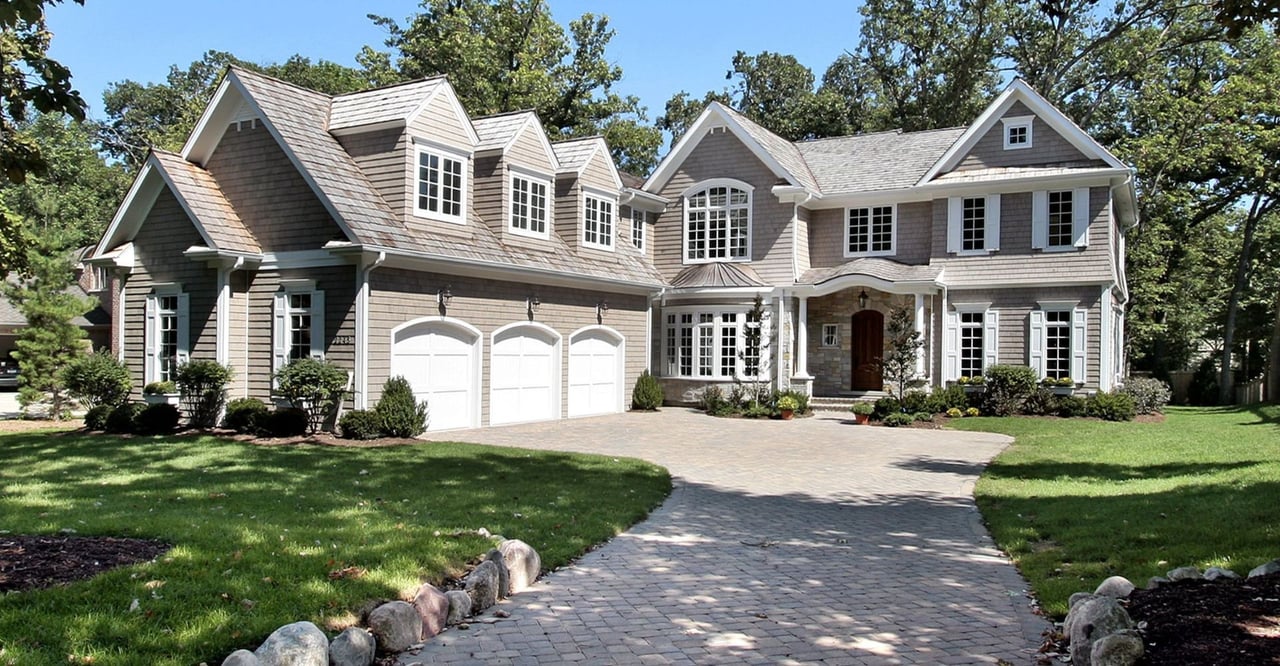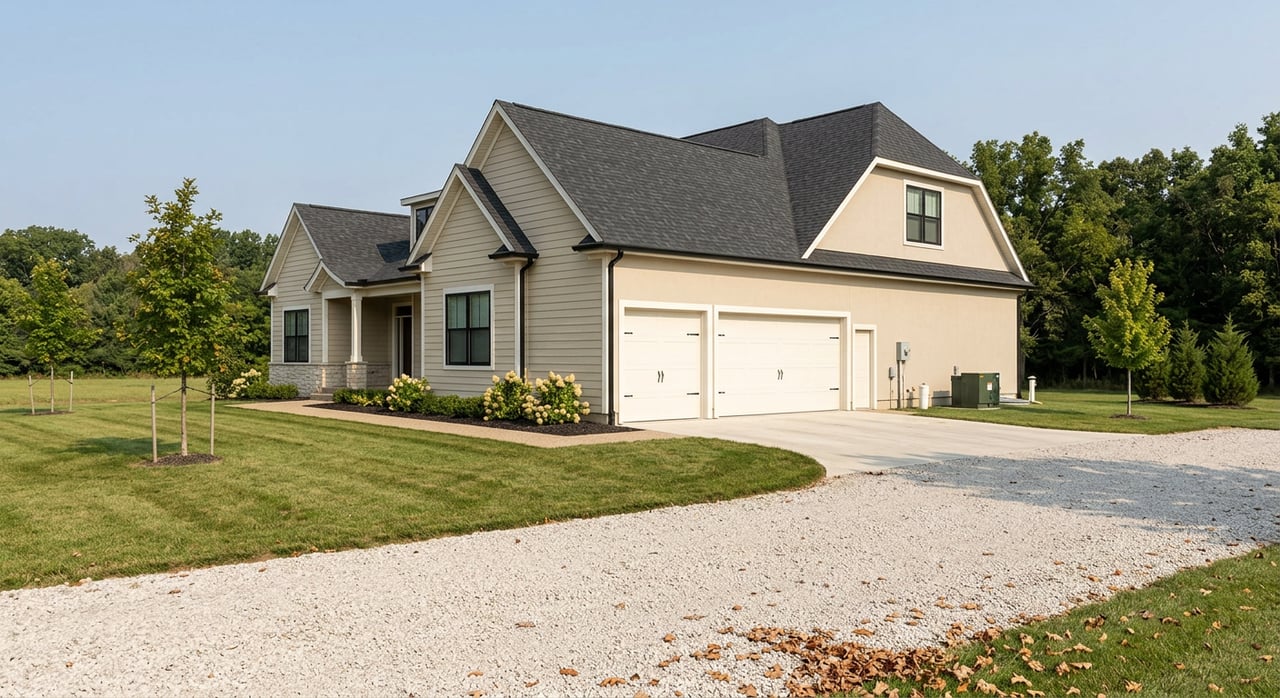
Craving elbow room without giving up your Cedar Rapids or Iowa City commute? If you’re eyeing an acreage near Swisher, you’re not alone. The setting feels rural, yet you can still be on I‑380 in minutes. The tradeoff is that due diligence gets more complex on land outside city neighborhoods. In this guide, you’ll learn how to size up zoning, HOAs, wells and septic, private roads, and key lender and insurance checks so you can buy with confidence. Let’s dive in.
Why Swisher works
Swisher sits in Johnson County along the I‑380 corridor between North Liberty and Cedar Rapids, which makes it a natural target if you want space and a short commute. The city highlights its small‑town character and corridor access on the official Swisher site. Many buyers find parcels just outside city limits, so your first step is to confirm whether a property is inside the city or in unincorporated Johnson County.
City or county rules
What applies depends on location:
- Inside Swisher city limits: City zoning and permitting apply. Municipal water and sewer may be available depending on the address. Start with the city’s website for utility and permit contacts.
- Unincorporated Johnson County near Swisher: County zoning and permitting rules govern your use, setbacks, and lot splits. The Johnson County Unified Development Ordinance (UDO) is the primary source. Review the Johnson County UDO for district details and subdivision requirements.
Zoning and lot size basics
Not all acreage is the same. Districts common around Swisher include Agricultural (A), Agricultural‑Residential (AR, limited), Small Farmstead (SF), and several single‑family residential classes labeled RS (R, R2, R3, R5, R10, R20). Here are key points to check in the UDO for a specific parcel:
- RS districts use numbers to indicate target acres per dwelling. For example, R5 is about 5 acres per home, R10 is about 10 acres per home, and R20 is 20 acres per home. Confirm the exact bulk table in the UDO for your parcel.
- Small Farmstead (SF) has a minimum lot size of 5 acres. Do not assume you can split smaller than the district minimum.
- Agricultural (A) farmstead split rules allow a buildable lot of 1 to 5 acres, but the parent parcel must retain at least 40 acres after the split. The new lot must be platted under the subdivision chapter and cannot rely on Level B or Level C roads as the primary access. These rules often decide whether you can build or split land.
- Setbacks, accessory buildings, and allowed uses vary by district. Always verify the parcel’s zoning on the county map and then read the corresponding UDO table.
You can find all these standards in the Johnson County UDO.
Utilities: wells and septic
Most acreages outside city limits use a private well and a septic system. Treat both as major condition items when you buy.
Private wells: permits and tests
- A county well permit is required for construction. A DNR‑certified well driller must do the work. See the Iowa program overview at the Iowa DNR Private Well Program.
- Johnson County Public Health coordinates local well permitting and recommends annual testing for bacteria and nitrates. The county also offers periodic testing programs and guidance. Review county resources on private wells and testing.
What to request from the seller:
- Copy of the well permit and well log.
- The most recent water‑quality results and any pump test.
- Service records and the driller’s contact information.
Plan to order your own water test for bacteria, nitrate, and any known local contaminants before you remove contingencies.
Septic and Time‑of‑Transfer
- Iowa’s Time‑of‑Transfer law requires a septic inspection by a certified inspector before deed transfer. Learn more from the Iowa DNR Time‑of‑Transfer page.
- Johnson County requires septic systems to be designed or approved by a licensed professional engineer or qualified soil scientist, with county approval before installation or repair. See county guidance on septic and well programs.
What to request from the seller:
- The Time‑of‑Transfer inspection report.
- Septic as‑built plans, pump receipts, and maintenance history.
- Any shared‑system agreement if components are shared with neighbors.
If repairs are needed, get written estimates and line up a plan for who pays and when work will be done.
Roads and access
Access can affect both value and financing.
- Public vs private: Many acreage homes sit on county roads, but some rely on private lanes or subdivision streets. For gravel and dust‑control expectations on county roads, see Johnson County’s Secondary Roads dust control program.
- Level B and C roads: The UDO restricts certain new lots when Level B or C roads are the primary access. Confirm the road level with county planning and secondary roads.
- Lender rules: FHA and other programs often require permanent, recorded access and an all‑weather surface for private roads. The FHA handbook also allows HOA ownership or maintenance in place of an easement. Review the criteria in the HUD Handbook 4000.1.
Access checklist:
- Confirm how you reach the parcel from a public road and whether that route is public or private.
- If access is private and shared, request the recorded road‑maintenance agreement or HOA documents that describe maintenance and cost sharing.
- Verify that emergency vehicles can reach the home in all seasons.
HOAs and covenants
Acreage developments can include covenants, conditions, and restrictions (CC&Rs) or a homeowners association. These documents can limit accessory buildings, animal keeping, and house size or materials. They can also assign costs for private road or common‑area maintenance.
- Ask for the recorded plat, CC&Rs, HOA bylaws, and budget or reserve statements. These should also appear in the title report.
- For any shared well or septic components, make sure a recorded maintenance agreement exists. Lenders often require documented agreements.
- If you plan to split, build a shop, or start a small farm use, cross‑check the plan with both the Johnson County UDO and any covenants.
Money matters: financing, insurance, taxes
- Financing: Many lenders finance acreages. They will focus on legal access, well and septic functionality, and safe ingress and egress. FHA specifically requires a recorded easement or HOA maintenance for private roads and an all‑weather surface, as outlined in the HUD Handbook 4000.1. Get pre‑approved early and flag any private road or shared utility issues to your lender.
- Insurance and flood risk: Check FEMA’s Flood Insurance Rate Map for the parcel. Floodplain locations can trigger elevation certificates and flood insurance. A Federal Register listing for Johnson County map resources is available here. Review the map and consult your insurance broker.
- Property taxes: Tax treatment depends on use and local assessor rules. If you expect agricultural use, confirm requirements with the Johnson County Assessor before you assume a tax classification.
Four‑step parcel check
Use this simple workflow before you write an offer:
- Zoning and density
- Identify the zoning district and read the applicable lot‑area, setback, and use table in the Johnson County UDO. If the parcel is inside city limits, confirm city zoning and utilities with Swisher.
- Access and easements
- Determine if access is public or private. Locate any recorded road or utility easements and, if shared, ask for a maintenance agreement.
- Well and septic
- Request the well permit, well log, and latest water tests; plan your own test. For septic, confirm a current Time‑of‑Transfer inspection and review as‑built plans and pump receipts. Use guidance from the Iowa DNR and Johnson County Public Health.
- Lender and insurance flags
- If you need FHA, VA, USDA, or conventional financing, discuss private roads, shared systems, and flood risk with your lender up front. Review FHA criteria in the HUD Handbook 4000.1 and check flood maps before you remove contingencies.
Questions to ask the seller
- What is the exact zoning district and are there any recorded covenants or HOA rules? Provide copies of the plat and CC&Rs.
- Do you have the well permit, well log, and most recent water‑quality results and pump test?
- When was the septic last pumped? Please share the Time‑of‑Transfer inspection report and any repair records.
- Is access public or private? If private, share the recorded easement and road‑maintenance agreement.
- Are there shared utilities? Provide the recorded shared‑well or shared‑septic agreement.
- What utilities serve the home today, and are there any hook‑up fees or special assessments noted in documents?
Make your move
Buying an acreage near Swisher can be smooth when you verify zoning, utilities, and access up front. If you want a partner who knows Johnson County rules and can help you coordinate due diligence, builder options, and a smart offer strategy, connect with Tyler Riddle. We’ll help you balance space, commute, and peace of mind.
FAQs
What utilities serve acreages near Swisher?
- Inside city limits, municipal water and sewer may be available; check the City of Swisher. Outside city limits, most homes use a private well and septic regulated by Johnson County Public Health and the Iowa DNR.
Can I split off a small homesite from a farm near Swisher?
- In the Agricultural district, a farmstead split can create a 1 to 5 acre buildable lot if the parent parcel retains at least 40 acres. The lot must be platted and cannot rely on Level B or C roads as the primary access. See the Johnson County UDO.
Will a lender finance a home on a private road?
- Often yes, but most programs require permanent recorded access and an all‑weather surface. FHA allows HOA ownership or maintenance of private streets in lieu of an easement. Review the HUD Handbook 4000.1 and talk to your lender early.
Do I have to replace the septic before closing in Iowa?
- Iowa’s Time‑of‑Transfer inspection is required for properties with septic. Only failing or hazardous systems must be fixed before transfer, or the parties can agree to a repair plan. See the Iowa DNR Time‑of‑Transfer.
How do I check for HOAs or covenants on an acreage?
- Order a title report and request recorded plats and CC&Rs. Ask the seller for HOA bylaws, rules, and budget. Cross‑check any use limits with the Johnson County UDO.
Who handles dust control on gravel county roads?
- Johnson County Secondary Roads manages approved dust‑control programs on public gravel roads. Review the county’s dust control information and ask about your specific segment.